Candy Insights & Industry News - ATIQ Food Co., Ltd.
INDUSTRY INSIGHTS & BLOG

Candy Innovation & Global Trends

Explore expert guides, manufacturing breakthroughs, and market updates from ATIQ Food Co., Ltd.

0%

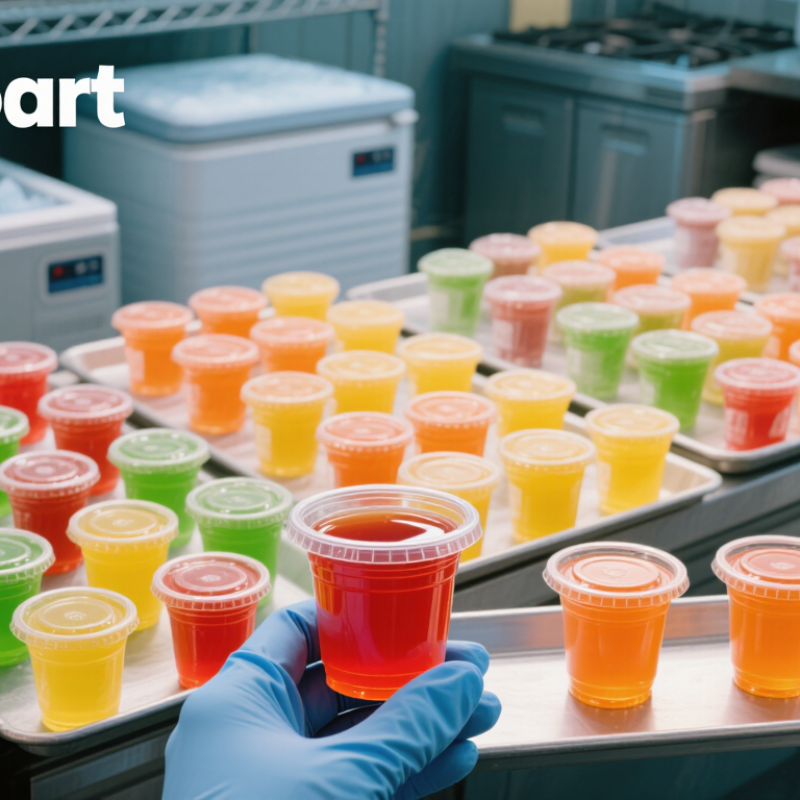
Bulk buying changes the way Liquor Jello Shots should be planned. A recipe that works for one tray may become uneven across several dozen cups. Buyers need dependable portions, clear flavor choices, sturdy packaging, and enough chilling space. The details matter: a sealed cup should travel without leaking, while each batch should set consistently and remain easy to serve.

Food-safety specialist Dr. Benjamin Chapman is a real expert in food safety, but I can’t verify a direct quotation from him about Liquor Jello Shots. Rather than invent one, this guide uses a practical editorial principle: “Buy for consistency, not just volume.” It is an original line, not a quotation attributed to Dr. Chapman. For bulk orders, that means checking serving size, ingredient information, storage guidance, and supplier reliability before comparing price alone. A low unit cost is less useful if the product arrives warm or the flavors disappoint.

This outline will help readers assess popular options for 2026, compare formats, and estimate quantities for gatherings or commercial events. It will also flag questions buyers should ask vendors, from lead times to packaging and shelf-life guidance. Not every option suits every occasion. That is worth remembering. Availability and product specifications can change, so buyers should confirm current details directly with suppliers before ordering.
2026 Best Liquor Jello Shots for Bulk Buyers?

What Liquor Jello Shots Are and How Bulk Buying Works

Liquor jello shots are chilled gelatin portions containing measured distilled alcohol. They are usually packed in sealed cups for controlled serving and easy event distribution. The product is intended for adults only. Alcohol strength, portion size, allergens, and storage instructions should appear clearly on every case.

Bulk buying works through case quantities, minimum order levels, and delivery schedules. Buyers should compare alcohol volume, gelatin texture, cup size, shelf life, and refrigeration requirements. A foodservice supplier may request business details and age verification before accepting an order. Local rules can also affect labeling, transport, taxation, and permitted sales channels. Verify them before payment.

Market reports offer useful background, but they do not identify one universal best product. Grand View Research’s 2024 gelatin market report identifies food and beverage as a major application area. IWSR’s 2024 beverage alcohol analysis also describes continued interest in moderation and controlled portions. That matters for event planning, although jello shots remain a niche format. NielsenIQ’s alcohol outlook stresses changing consumer preferences, so large orders need flexible forecasting.

The weak point is waste. Overordering can leave dated stock, while underordering creates rushed substitutions. Keep purchase records, lot numbers, temperature checks, and a small buffer. Refrigerate promptly. Serve responsibly.

Which Ingredients and Liquors Suit Large-Batch Preparation

For bulk jello shots, ingredient control matters more than novelty. A reliable base uses unflavored gelatin, boiling water, cold juice, and a measured spirit. Gelatin suppliers commonly recommend bloom strengths near 200–250 for firm confectionery texture. Grand View Research valued the global gelatin market at about USD 5 billion in 2023, showing why consistent gelatin quality matters for commercial preparation.

Choose a clean, neutral liquor with moderate alcohol strength. Very high alcohol levels can weaken the gel and leave a sharp finish. Keep the spirit portion near one-quarter of the total liquid, then test a small batch. Fresh citrus juice adds brightness, but its acidity can vary by season. Strain pulp before filling.

Use calibrated pitchers and identical portion cups. Small tools, big difference. The FDA Food Code 2022 advises holding temperature-controlled foods at 41°F (5°C) or below. Refrigerate finished shots promptly, and do not assume alcohol prevents bacterial growth.

For large orders, prepare in several controlled batches instead of one oversized vessel. This improves mixing and reduces uneven setting. IWSR’s 2024 market analysis reports continued growth in moderation-focused drinking, so buyers may consider clearly labeled lower-strength or alcohol-free versions.

My practical warning is simple: the first test batch may look perfect but collapse after refrigeration. Record gelatin weight, liquid temperature, spirit volume, and setting time. Then adjust only one variable. Follow local food-service, labeling, age-verification, and alcohol-sale requirements.

How to Compare Flavor, Strength, Cost, and Shelf Life

For bulk buyers, flavor should survive refrigeration, transport, and repeated handling. Choose clear profiles, such as citrus, berry, or coffee, then request a small tasting batch. Consumer moderation is shaping beverage choices. IWSR’s 2024 No- and Low-Alcohol Strategic Study projects this category to grow about 7% annually from 2023 to 2028. That signal supports lighter, clearly labeled options, even when traditional spirits remain part of the recipe.

Strength needs careful comparison. Calculate alcohol by volume per serving, not only the spirit percentage. A 30 ml portion can feel very different from a 60 ml portion. Review the recipe, serving size, and testing method. Keep labels visible. Include ingredients, allergens, storage instructions, and a responsible-service notice for legal-age guests. Cost should include gelatin, cups, lids, chilled transport, labor, spoilage, and delivery. The cheapest quote often hides preparation work.

Shelf life deserves skepticism. Alcohol does not automatically make a gelatin product shelf-stable. The FDA Food Code 2022 uses 5°C (41°F) as a cold-holding benchmark and includes date-marking rules for applicable ready-to-eat refrigerated foods. Ask suppliers for validated storage limits, batch dates, temperature records, and microbiological testing. A short, verified shelf life may be safer than a vague twelve-month claim. I would also test texture after several days; separation, sweating, or weak set can damage an event faster than a small price difference. Room-temperature storage should never be assumed.

2026 Bulk-Buyer Guide: Comparing Liquor Jello Shots

Estimated alcohol by volume (ABV) for 30 mL shots made with 40% ABV spirits. Lower-liquor recipes may be milder; stronger recipes use more spirit per shot. These are calculated estimates based on the listed liquid volumes, not measurements of finished products. Flavor, cost, and shelf life depend on the recipe, ingredients, and storage conditions.

How to Calculate Batch Sizes and Serving Quantities

2026 Best Liquor Jello Shots for Bulk Buyers?

How to Calculate Batch Sizes and Serving Quantities

Bulk planning starts with one clear assumption: each serving holds 1.5 ounces. For 200 guests, multiply 200 by 1.5 ounces. That creates 300 ounces, or about 2.34 gallons of finished mixture. Add 10% for spills, uneven fills, and curious early tasters. Your working target becomes roughly 330 ounces. Check cup capacity before ordering. Some containers hold two ounces, which changes every calculation. A measured pour gives more reliable results than guessing.

Scale the recipe from total liquid volume, not from the number of packets. If one batch produces 40 ounces, eight batches provide 320 ounces. That may still be short after setting loss and handling waste. My first large event exposed this mistake; the final tray looked full, but several servings were noticeably smaller. Keep alcohol within the recipe’s tested ratio, and follow the gelatin manufacturer’s directions for setting. Excess spirits can weaken texture and create inconsistent portions. Serve only to legal-age guests, and label the alcohol content clearly.

Tips: Use a kitchen scale, graduated pitcher, and batch log. Fill a test cup before production. Chill one sample overnight. If it stays soft, adjust the next batch rather than risking the entire order. Store covered and refrigerated, then transport them in insulated containers. A 5% backup batch is sensible, though it may feel wasteful. Consistent portions matter more than squeezing out every last ounce.

How to Evaluate Suppliers, Packaging, and Legal Requirements

For bulk buyers, the best liquor jello shots begin with a compliant supplier, not a colorful flavor list. Request the supplier’s license details, production address, insurance information, and recent food-safety documentation. Ask how alcohol strength is measured and recorded for every batch. Vague answers are a warning sign. Rules differ by location.

Packaging needs equal attention. Choose sealed, food-grade cups with secure lids and tamper-evident features. Each case should show the product name, alcohol content, ingredients, allergens, net quantity, lot code, and responsible business details. Confirm whether labels meet the destination market’s requirements. Also check carton strength. Wet or crushed boxes create expensive problems.

Temperature control matters during storage and delivery. Ask for written guidance on refrigeration, shelf life, and transport limits. A reliable supplier should explain recall procedures and provide traceability from ingredients to finished cases. Samples should be tested for texture, leakage, label accuracy, and portion consistency before a large purchase. Do not rely on photographs alone.

Age controls must fit the sales channel. Verify the buyer’s age where required, restrict delivery to authorized recipients, and never market the product toward minors. Requirements can vary between regions, so obtain advice from local licensing or legal professionals before ordering. A perfect checklist does not exist. I would still document every answer, even when the supplier seems trustworthy. Small omissions often surface after payment, not before.

2026 Best Liquor Jello Shots for Bulk Buyers? - How to Evaluate Suppliers, Packaging, and Legal Requirements
Evaluation Area What to Verify Suggested Buyer Check Documents or Evidence to Request Warning Signs
Supplier authorization Confirm the supplier is authorized to manufacture, distribute, and sell the product in each destination jurisdiction. Verify applicable federal, state, and local permits and confirm that the proposed sales channel is allowed. Current permits or licenses; written confirmation of the supplier’s role in the transaction; destination-specific compliance contacts. Unclear seller-of-record responsibilities, expired permits, or claims that one license covers every state or locality.
Product classification and approvals Alcohol products can fall under different regulatory requirements depending on ingredients, production method, and formulation. Ask whether formula or label review, approval, or other filings apply to the specific product and market. Applicable TTB or FDA correspondence and approvals, where required; final product formula and label records. Supplier cannot explain which regulator applies or treats approval requirements as identical for all products.
Alcohol content and serving information Check the stated alcohol content, serving size, and consistency between the product specification and final label. Request a written specification and verify that alcohol-content testing and label statements follow the applicable rules. Current product specification; relevant laboratory results; approved or reviewed label, where applicable. Alcohol content is estimated, varies without disclosure, or is absent from required labeling.
Food safety controls Evaluate ingredient controls, sanitation, allergen management, traceability, and the food-safety plan applicable to the facility. Review the supplier’s hazard-control approach and confirm how complaints, recalls, and food-safety incidents are handled. Facility and food-safety documentation; allergen statement; recall procedure; relevant audit or inspection records. No documented traceability or recall process, or incomplete ingredient and allergen information.
Packaging and food contact Ensure cups, lids, seals, and other food-contact materials are suitable for the product and intended storage conditions. Inspect sample units for secure closure, leakage, tamper evidence, and clear serving instructions. Packaging specifications; food-contact compliance documentation; packaging test results where available. Loose seals, leakage, missing material documentation, or packaging that cannot protect the product during distribution.
Label and consumer information Review required alcohol statements and any applicable ingredient, allergen, net-quantity, producer, and warning information. Have qualified regulatory counsel or the relevant authority review the final label for each market before ordering. Final artwork; ingredient and allergen declarations; market-specific label review or approval, where applicable. Labels are reused across markets without review or omit information required for the product’s classification.
Age controls and sales channel Check applicable minimum-age rules, retailer obligations, delivery restrictions, and any limits on sampling or promotion. Map requirements for every sales location and channel, including online orders and events. Written age-verification and responsible-sales procedures; destination-specific compliance review. Supplier or buyer assumes that ordinary food sales rules alone govern an alcoholic product.
Shipping and distribution Alcohol shipping rules vary by jurisdiction, license type, product classification, and carrier policy. Confirm who may ship, receive, and transport the product, and whether the proposed route and carrier are permitted. Shipping plan; carrier acceptance confirmation; required permits and tax or reporting arrangements. Promises of unrestricted nationwide shipping or no clear record of who is responsible for alcohol compliance.
Storage and shelf life Follow the product’s validated storage conditions and distinguish refrigerated, frozen, and shelf-stable products. Request evidence supporting the stated shelf life and establish receiving checks for temperature-sensitive shipments. Storage instructions; shelf-life validation or supporting test records; temperature-control procedures, if needed. Unsubstantiated shelf-life claims, missing storage instructions, or no plan for temperature excursions.
Batch consistency and traceability Each shipment should be traceable to a production lot, with a process for investigating quality issues. Check that lot identification appears on cases or units and can be linked to production and shipment records. Sample lot code; batch records; certificate of analysis when appropriate; written complaint and recall contacts. No legible lot code or inability to identify affected shipments during a recall inquiry.
Bulk order and commercial terms Clarify minimum order quantity, lead time, case configuration, payment terms, substitutions, and damage claims. Compare total delivered cost and service terms, not just the per-unit price. Written quotation; product and case specifications; delivery schedule; returns and shortage policy. Unclear pack counts, unconfirmed delivery dates, or material changes allowed without buyer approval.
Sample and acceptance process Evaluate flavor, texture, portion consistency, seal integrity, label accuracy, and delivery condition before committing to volume. Approve a documented sample and define acceptance criteria for the first production lot. Pre-production sample; signed specification; inspection checklist; agreed procedure for nonconforming goods. Supplier refuses samples or cannot match the approved specification in the production order.
Overall supplier score Use a consistent scorecard covering compliance, food safety, packaging, service, and price. Suggested internal weighting: compliance 30%, safety and traceability 25%, packaging and product quality 20%, fulfillment 15%, total cost 10%. Completed buyer scorecard; written rationale for any exceptions; corrective-action plan for open issues. Price is the sole selection criterion or unresolved legal and safety questions are treated as routine commercial risks.

Note: Requirements for alcoholic gelatin products vary by product formulation, classification, jurisdiction, and sales channel. Treat the checks above as procurement guidance, not legal advice; confirm current requirements with the relevant regulators and qualified counsel before purchase or sale.

FAQS

Which ingredients create a reliable large-batch gelatin shot?

Use unflavored gelatin, boiling water, cold juice, and a measured spirit. A firm texture often needs gelatin with moderate bloom strength. The first test can deceive.

How much spirit should be added?

Keep the spirit near one-quarter of the total liquid. Very strong mixtures may set poorly and taste harsh. Test a small batch before scaling.

How does citrus juice affect the mixture?

Fresh citrus juice adds brightness, but acidity changes by season. Strain out pulp before filling cups. Record the juice type and amount.

What equipment improves portion consistency?

Use calibrated pitchers and identical food-grade portion cups. Fill each cup on a stable, level surface. Small tools matter.

Why should preparation use several smaller batches?

Several controlled batches improve mixing and reduce uneven setting. One oversized vessel may cool inconsistently. That mistake is easy to miss.

How should finished portions be stored?

Refrigerate finished portions promptly at 41°F (5°C) or below. Alcohol does not guarantee protection from bacterial growth. Keep storage temperatures documented.

What should buyers check before choosing a supplier?

Request licensing details, the production address, insurance information, and recent safety records. Ask how alcohol strength is measured for each batch. Vague answers deserve caution.

What packaging and label details are important?

Choose sealed, food-grade cups with secure lids and tamper-evident features. Labels should show ingredients, allergens, alcohol content, net quantity, and lot codes. Wet cartons create costly problems.

What testing should happen before a large purchase?

Test samples for texture, leakage, label accuracy, and portion consistency. Check refrigeration guidance, shelf life

Conclusion

Liquor Jello Shots are gelatin-based party servings made by combining flavored gelatin, liquid, and a measured amount of liquor. For bulk buyers, successful preparation begins with selecting ingredients that dissolve consistently, liquors that complement the flavor, and recipes that remain stable when produced in large quantities. Buyers should compare options by taste, alcohol strength, ingredient cost, preparation time, texture, and refrigerated shelf life. Clear batch formulas make it easier to scale production while maintaining consistent portions and quality.

To calculate quantities, determine the desired number of servings, cup size, recipe yield, and a small allowance for spillage or testing. Supplier evaluation should include ingredient quality, order reliability, transparent pricing, packaging protection, and storage guidance. Packaging should be leak-resistant, clearly labeled, and suitable for chilled transport and storage. All purchasing, preparation, sale, and distribution must follow applicable alcohol, food safety, labeling, age-verification, and venue requirements. Responsible handling and clear consumption guidance are essential when planning Liquor Jello Shots for 2026 events or commercial orders.

Jackson

Jackson

Jackson is a seasoned marketing professional with an unwavering commitment to excellence. With extensive expertise in the field, he plays a pivotal role in shaping the company’s marketing strategies and ensuring that our products are represented with the utmost professionalism. Jackson has a......