Candy Innovation & Global Trends
Explore expert guides, manufacturing breakthroughs, and market updates from ATIQ Food Co., Ltd.
China Best Fruit Jelly Pudding Cups Wholesale Supplier?
Table of Contents
- What Are Fruit Jelly Pudding Cups and How Are They Made?
- Which Quality and Safety Standards Should Buyers Check?
- What Wholesale Services Should a Chinese Supplier Offer?
- How Can Buyers Evaluate Supplier Reliability and Product Samples?
- How Do You Compare Prices, Packaging, and Shipping Options?
- FAQS
- Conclusion
- Related Posts
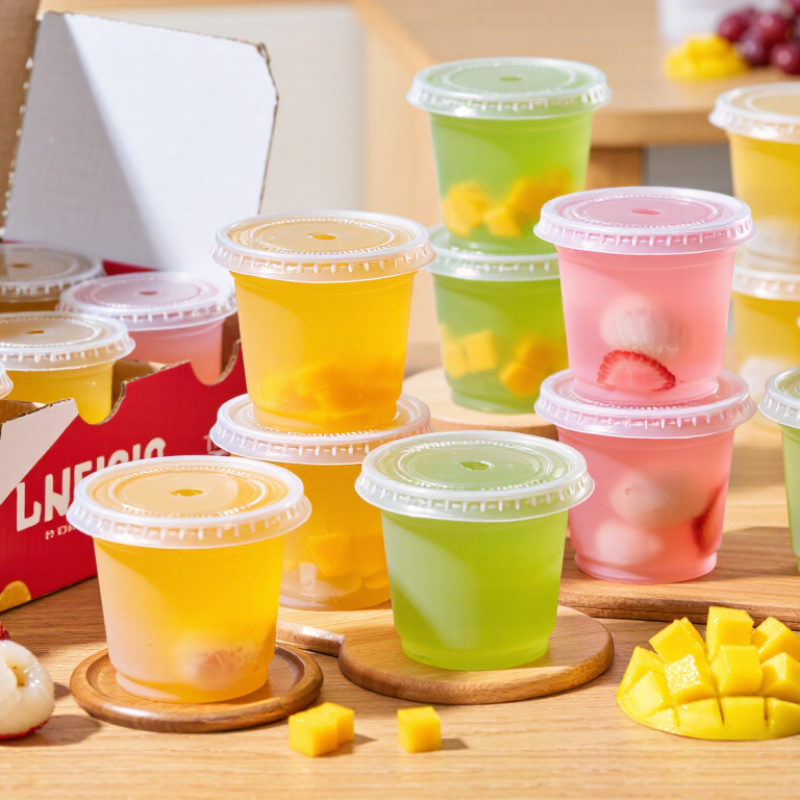
Choosing a China-based wholesale supplier for Fruit Jelly Pudding Cups involves more than comparing prices. Buyers need to assess taste, texture, packaging, and supply reliability together. A bright mango cup may look appealing on a sample table, but the seal, fill level, and fruit distribution matter just as much. Small details show up quickly when products are packed by the case.
A careful supplier review should begin with clear product specifications. Ask about cup size, ingredients, flavor options, packaging materials, minimum order quantities, and production lead times. Request samples and examine their texture, sweetness, aroma, and consistency across flavors. Then confirm how products should be stored and transported; shelf-life expectations can depend on the recipe and packaging. These questions help buyers compare offers on practical terms, not just unit cost. Details matter.
Reliable suppliers should also provide current quality documents and explain their manufacturing controls in plain language. Verify that documents match the product and factory being discussed, rather than relying on broad claims. Communication is another useful signal: do replies address questions about carton dimensions, label customization, or sample changes clearly? Not every promising offer will be the right fit. A low quote can hide extra costs or unanswered questions, and even a polished sample may not reflect routine production. This guide outlines what to check when searching for a wholesale partner in China, helping importers and distributors make a more informed shortlist before placing a larger order.
What Are Fruit Jelly Pudding Cups and How Are They Made?
China Best Fruit Jelly Pudding Cups Wholesale Supplier?
What Are Fruit Jelly Pudding Cups and How Are They Made?
Fruit jelly pudding cups are single-serve desserts made with fruit juice or purée, water, sweetener, and a gelling ingredient. Pectin, carrageenan, and gelatin create different textures; they are not interchangeable. Pectin comes from plants, carrageenan from seaweed, and gelatin from animal collagen. Small details matter.
In production, ingredients are blended and heated so the gelling agent hydrates evenly. The mix is adjusted for sweetness and acidity, then filled into cups, sealed, and cooled. Manufacturers check texture, fill weight, seals, and batch consistency. Some recipes need refrigeration; others use a validated heat process for shelf stability. The process depends on the recipe and packaging, so buyers should request storage instructions and product specifications. The FAO’s The State of Food and Agriculture 2023 estimates that 13.2% of food was lost between harvest and retail in 2021. That figure covers food broadly, but it highlights why careful fruit sourcing and handling matter.
Which Quality and Safety Standards Should Buyers Check?
When sourcing fruit jelly pudding cups wholesale, buyers should check more than bright colors and a low unit price. Request the product specification, ingredient list, and allergen statement for each flavor. Confirm that the documents match the actual cup label. Ask for recent test reports covering relevant microbiological and chemical risks, and check that the report identifies the product or production batch. A certificate without clear scope or dates tells you little.
Inspect samples before approving a large order. Look for intact seals, clean cup rims, consistent jelly texture, and fruit pieces that match the specification. Ask how the supplier controls filling, sealing, and storage conditions. Review shelf-life evidence and the recommended storage temperature, then check that shipping plans can maintain those conditions. Small details matter. A tidy sample is useful, but it cannot replace batch records and traceability.
Tips: Request a sample carton from a routine production run, not only a specially prepared sample. Compare its lot code, label, and seal quality with the documents. Keep one cup from each received lot for your own checks. If a record is incomplete, ask for clarification before placing the order; I would not treat a polished brochure as proof of consistent control.
What Wholesale Services Should a Chinese Supplier Offer?
China Best Fruit Jelly Pudding Cups Wholesale Supplier?
What Wholesale Services Should a Chinese Supplier Offer?
A capable Chinese supplier should offer more than a low unit price. Ask for pre-production samples, adjustable sweetness, cup-size options, and clear minimum order quantities. Request batch traceability, ingredient and allergen information, shelf-life testing details, and a written process for handling damaged cartons. FAO’s 2024 SDG Progress Report estimates that 13.2% of food was lost between harvest and retail in 2021. That figure is not specific to jelly, but it underlines the value of reliable stock planning and shipment coordination.
For export orders, look for carton customization, pallet plans, lot coding, and timely shipping updates. Ask how the supplier checks cup seals and verifies product consistency across batches. UNEP’s Food Waste Index Report 2024 estimates that 1.05 billion tonnes of food were wasted in 2022. Right-sized trial orders and mixed-SKU testing may help buyers avoid excess stock. A low quote can still mean awkward carton sizes, so check the landed cost carefully.
Tips: Test samples after storage, not just on arrival. Request a one-page quality checklist and a named contact for order issues. Small details matter.
China Best Fruit Jelly Pudding Cups Wholesale Supplier? — What Wholesale Services Should a Chinese Supplier Offer?
| Service Area | What to Request | What to Confirm Before Ordering | Why It Matters |
|---|---|---|---|
| Product Specifications | Written details for ingredients, fruit content, net weight, cup dimensions, flavor options, and storage conditions. | Check that the specification sheet matches the sample and the final purchase order. | Clear specifications help prevent misunderstandings about product composition, serving size, and handling. |
| Samples and Evaluation | Pre-production or stock samples for tasting and packaging review. | Ask whether samples are charged, how they are shipped, and whether the approved sample will be used as the production reference. | Samples let buyers assess taste, texture, packaging, and product suitability before placing a bulk order. |
| Minimum Order Quantity | MOQ stated separately for standard products, custom packaging, and private-label orders. | Confirm whether the MOQ applies per flavor, per design, or per shipment, and ask about any setup charges. | Packaging and production requirements can affect order quantities, especially for customized products. |
| Packaging Customization | Options for cup size, lid or film, multipacks, cartons, and buyer-provided artwork. | Confirm artwork file requirements, proof approval, printing method, and responsibility for packaging materials. | Packaging must protect the product and provide accurate information for the intended market. |
| Food Safety and Compliance Documents | Relevant facility and product documents, such as food-safety system certificates, product specifications, and test reports where applicable. | Verify document scope, issuing body, validity, product coverage, and requirements in the destination market. | Import rules differ by country; certificates or reports should be checked for relevance rather than assumed to guarantee market approval. |
| Labeling Support | Ingredient, allergen, nutrition, date-marking, and storage information for label review. | Have the importer or a qualified local adviser check that the final label meets destination-country requirements. | Food-labeling rules vary by market, and the importer may have responsibilities for compliant labeling. |
| Quality Control | Documented checks for incoming materials, production, packaging, and finished goods. | Ask for inspection criteria, batch identification, handling of nonconforming goods, and any available test results. | Defined checks and traceability make it easier to investigate quality issues and agree on corrective actions. |
| Shelf Life and Storage | Declared shelf life, storage instructions, and date-coding format. | Confirm the remaining shelf life at dispatch and the conditions needed during transport and storage. | Storage needs and shelf life affect shipping plans, warehouse handling, and stock rotation. |
| Production and Delivery Planning | A production schedule and estimated dispatch window for the confirmed order. | Ask when lead time starts, how public holidays or packaging approval affect the schedule, and how delays are communicated. | Production timing can vary with order size, customization, material availability, and seasonal demand. |
| Export and Shipping Documents | Agreement on applicable commercial and shipping documents, such as a commercial invoice, packing list, and transport document. | Confirm the buyer’s import requirements, shipping terms, named destination, and which party arranges freight and customs clearance. | Document requirements and responsibilities depend on the destination, transport method, and agreed trade terms. |
| Payment and Order Terms | A written quotation and sales contract covering price, currency, payment schedule, order quantity, and delivery terms. | Check charges for samples, tooling, artwork, packaging, freight, and any changes or cancellations. | Written terms make the total cost and each party’s obligations clearer before production begins. |
| After-Sales and Complaint Handling | A named contact and a written process for reporting shortages, damage, or product-quality concerns. | Confirm the evidence and time limits required for a claim, along with the available resolution process. | A clear process helps both parties respond consistently if an issue arises after delivery. |
Note: Services, MOQs, lead times, certificates, and shipping arrangements vary by supplier, product, and destination market. Confirm all details in writing before placing an order.
How Can Buyers Evaluate Supplier Reliability and Product Samples?
Supplier reliability is easier to assess through specific questions than polished sales claims. Ask how often fruit jelly pudding cups are produced, how batches are identified, and whether the sample matches current production. Clear answers should include practical details, such as sample dates, storage conditions, and the expected shelf life. Vague replies deserve follow-up. Small details matter.
Examine samples after chilling them as directed. Check whether the cup seal is even, the lid stays secure, and the jelly texture remains consistent from cup to cup. Note the fruit pieces, sweetness, and any separation in the liquid. Then ask for a second sample from another batch; one tasting cannot show consistency. It may feel overly cautious, but that is useful. Buyers can also request relevant quality records and a written specification, then compare these with the delivered sample. Ask how the supplier handles damaged cartons or changes to ingredients. A prompt, specific response is a useful signal, though it cannot guarantee future performance. Keep notes on sample condition, delivery time, and unanswered questions before placing a larger order.
How Do You Compare Prices, Packaging, and Shipping Options?
When comparing fruit jelly pudding cup suppliers, look beyond the quoted price per cup. Ask for the cup size, case quantity, minimum order, and price breaks in writing. Then calculate the cost per usable cup, including sample fees and delivery charges. A lower unit price may come with larger cases or a higher minimum. Check whether the quote includes lids, spoons, and outer cartons. Small details change the real cost.
Packaging matters during storage and transit. Request carton dimensions, cup material, and a clear photo of the sealed pack. If the cups will be displayed individually, tidy labels and consistent case counts help with handling. Ask how the supplier protects cartons from crushing; a few damaged lids can complicate receiving. One detail is easy to miss. Confirm whether printed packaging affects lead time or order size, and review a physical sample when possible. Photos can hide flimsy corners.
Shipping options should be compared by total cost and timing, not speed alone. Ask for separate estimates for sea, air, or other available services, including handling and destination charges. Confirm the shipment’s gross weight, pallet details, and estimated dispatch date. For warm-weather routes, ask what storage conditions the supplier recommends and check the product documentation. I would verify every figure twice; quotes can omit inconvenient fees. That check is worth the extra email.
FAQS
Request the product specification, ingredient list, and allergen statement for each flavor. Match them against the cup label. Recent test reports should identify the product or batch.
Check the seal, cup rim, jelly texture, and fruit pieces. Chill the sample as directed. Small details matter.
Request a sample carton from a routine production run. Compare its lot code and label with the records. Keep one cup.
Ask how batches are identified, how often production runs occur, and how ingredient changes are handled. Specific answers are more useful than polished claims.
No. Request another sample from a different batch. Compare texture, fruit pieces, sweetness, and any liquid separation. One tasting is not enough.
Compare case quantity, minimum order, price breaks, and delivery charges. Calculate the cost per usable cup. A low unit price may hide larger cases.
Check cup material, carton dimensions, case count, and whether lids or spoons are included. Ask how cartons are protected from crushing. Photos can mislead.
Request total estimates, handling fees, destination charges, gross weight, pallet details, and dispatch dates. Check recommended storage conditions for the route. Verify every figure twice.
Conclusion
Fruit Jelly Pudding Cups are convenient, ready-to-eat treats made by blending fruit flavors, sweeteners, and gelling ingredients, then filling and sealing individual cups. For wholesale buyers, understanding the ingredients, texture, shelf life, and production process helps ensure the product suits the intended market. Before placing an order, check that the supplier can provide relevant quality and food-safety documentation, clear ingredient and allergen information, and consistent batch records.
A dependable Chinese supplier should offer flexible order quantities, customization options, secure packaging, and practical support with export preparation. Evaluate reliability by reviewing communication, production capacity, references, and representative samples; assess samples for flavor, texture, appearance, and packaging quality. Compare quotations by looking beyond the unit price: include customization, packaging, minimum order quantities, lead times, shipping methods, and delivery costs. A careful comparison helps buyers select a supplier that balances product quality, service, and overall value.

Blog Tags: