Candy Insights & Industry News - ATIQ Food Co., Ltd.
INDUSTRY INSIGHTS & BLOG

Candy Innovation & Global Trends

Explore expert guides, manufacturing breakthroughs, and market updates from ATIQ Food Co., Ltd.

0%

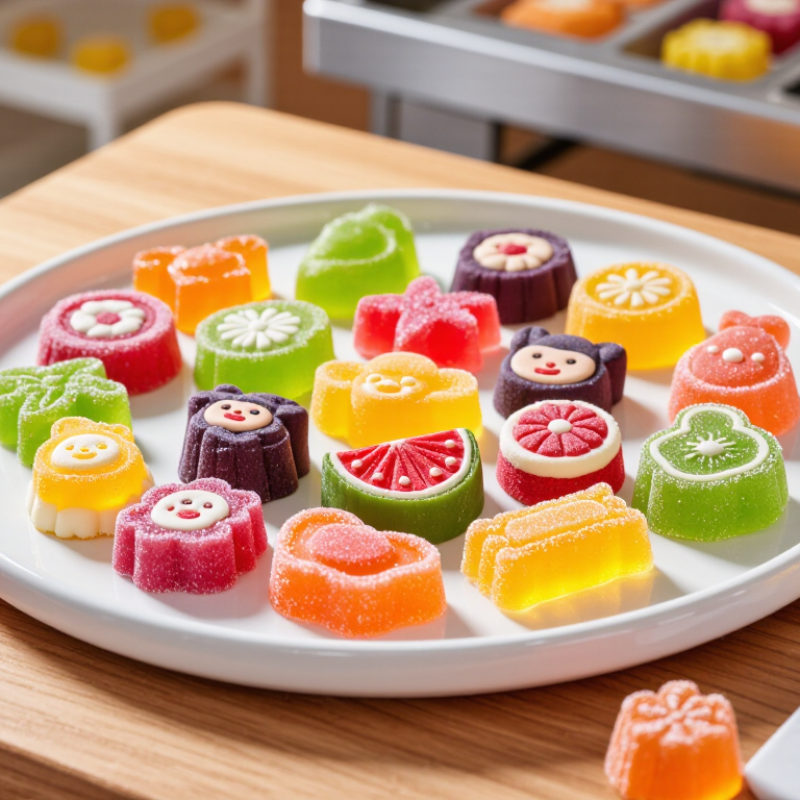
Choosing the China Best Custom Shaped Gummy Candy Manufacturer requires more than attractive samples. A reliable partner turns a sketch, mascot, or product concept into consistent, food-grade gummies. Custom Shaped Gummy Candy can reflect brand colors, characters, seasonal campaigns, or regional identity. Yet visual appeal is only one measure. Texture, flavor accuracy, mold precision, packaging safety, and production stability also shape the final result.

Experienced manufacturers usually support the process from concept review to pilot production. Their teams should explain gelatin or pectin options, ingredient sourcing, allergen controls, and shelf-life testing clearly. Buyers should request facility details, quality records, batch traceability, and relevant third-party certifications. Claims deserve verification. A polished website is not proof of dependable manufacturing. Samples should be checked for weight variation, surface finish, chewiness, color consistency, and package sealing. Small details matter.

The strongest supplier relationship is practical and transparent. It includes realistic minimum order quantities, clear lead times, responsive communication, and documented approval stages. Some projects change after the first sample. That is normal. It can also expose weak planning. A thoughtful manufacturer welcomes controlled revisions instead of hiding problems. This guide examines how to compare Chinese gummy producers, assess technical capability, and reduce avoidable sourcing risks. The goal is not simply to find the lowest quotation. It is to find a partner capable of delivering safe, distinctive, and repeatable candy at commercial scale.
China Best Custom Shaped Gummy Candy Manufacturer?

What Defines a Leading Custom-Shaped Gummy Candy Manufacturer?

A leading custom-shaped gummy candy manufacturer combines creative molding with disciplined production. Grand View Research valued the global gummy market at approximately USD 19.5 billion in 2023. It also projects strong growth through 2030. This expansion increases the need for reliable customization, not just attractive prototypes.

Shape accuracy starts with engineering. Experienced manufacturers review artwork, draft angles, cavity depth, and demolding pressure before cutting a mold. They test texture, color stability, sweetness, and filling weight in small pilot batches. A detailed specification should define ingredients, allergen controls, shelf life, packaging, and acceptable weight variation. Small details matter. A character’s face may blur when the cavity is too deep. A thin tail may break during demolding.

Food safety separates capable suppliers from dependable partners. Manufacturers should provide batch traceability, laboratory test results, and documented sanitation procedures. HACCP-based controls and recognized third-party certifications can strengthen buyer confidence. The Institute of Food Technologists notes that texture strongly influences consumer acceptance, so gummy firmness requires measured testing, not personal opinion. Still, no factory gets every prototype right. I would question any supplier promising perfect results without revisions. A practical partner explains limitations, tests alternatives, and records each adjustment. That honesty is often more valuable than a polished sample.

What Defines a Leading Custom-Shaped Gummy Candy Manufacturer?

This practical buyer scorecard ranks the core capabilities that matter when selecting a custom-shaped gummy candy manufacturer. Food safety, traceability, shape precision, and consistent production are prioritized because they directly influence product reliability, compliance, and scalability.

How Custom Gummy Candy Shapes Are Designed and Developed

Designing a custom gummy shape begins with a clear product brief. The team defines serving size, texture, color, flavor, and target audience. Shape matters. A small animal, letter, or geometric form must still release cleanly from its mold.

Grand View Research valued the global gummy market at USD 21.05 billion in 2023. It projects a 12.5% compound annual growth rate through 2030. Mordor Intelligence also forecasts strong growth, although its market estimate differs. These variations reflect different category definitions. They remind manufacturers to question market data, not copy it blindly.

Designers usually sketch the concept before building a 3D CAD model. Engineers then check wall thickness, sharp corners, cavities, and demolding angles. A prototype mold can reveal weak legs, blurred lettering, or uneven filling. Those failures are useful. They show where the shape needs simplifying. Pilot production tests mixing behavior, cooking temperature, drying time, and package stability. Sensory panels examine chewiness and flavor release, while quality teams verify ingredient declarations and applicable food-safety requirements. According to the Institute of Food Technologists, texture strongly influences consumer acceptance, so visual appeal alone cannot carry the product. A practical custom gummy shape must look distinctive, feel consistent, and survive real production conditions.

What Materials and Production Methods Are Used?

China Best Custom Shaped Gummy Candy Manufacturer?

Custom gummy production starts with material selection. Gelatin creates a firm, elastic bite and a clear finish. Pectin offers a plant-based alternative with a shorter, cleaner texture. Starch can improve body and reduce sticking. Sugar, glucose syrup, citric acid, flavors, and approved colors complete the base. Grand View Research estimated the global gummy market at USD 19.5 billion in 2023, with a projected 12.6% CAGR through 2030. That growth increases pressure for reliable formulation and consistent shapes. Materials should match the target texture, storage temperature, and labeling requirements.

Production usually combines cooking, depositing, molding, curing, and packaging. A starch-mogul system forms detailed shapes efficiently, while silicone or rigid molds suit smaller custom runs. The syrup must reach a controlled solids level before depositing. Many factories monitor Brix, pH, moisture, and water activity during production. These measurements help prevent stickiness, cracking, and uneven color. A final drying stage may last several hours, depending on the recipe and shape. Small facial details often soften after drying. That is a real limitation.

Tips: Request pilot samples before approving a full order. Check the mold drawing, cavity weight, texture after seven days, and packaging seal. Ask for batch records and laboratory test results, not only photographs. SQF and HACCP-based controls can strengthen traceability, but certificates alone do not prove excellent candy. Taste testing remains essential. Shapes may look perfect yet feel disappointing.

How Manufacturers Ensure Quality, Safety, and Compliance

China Best Custom Shaped Gummy Candy Manufacturer?

How Manufacturers Ensure Quality, Safety, and Compliance

Custom gummy candy requires more than attractive shapes. Each mold affects cooking time, cooling speed, texture, and hygiene control. Manufacturers should follow GMP and HACCP principles, while applying a certified food safety system, such as ISO 22000. The World Health Organization estimates that contaminated food causes 600 million illnesses worldwide each year. That figure shows why small process failures deserve serious attention.

A reliable factory checks raw materials before production. Technicians verify gelatin or pectin, colors, flavors, allergens, and microbiological results. During cooking, calibrated sensors record temperature and time. Workers inspect mold surfaces, seal integrity, foreign materials, and water activity. Metal detection and batch coding add further protection. Every batch should connect to supplier records and laboratory certificates. However, paperwork alone is not enough. A clean-looking audit file can still hide weak shop-floor habits. Regular internal audits and independent testing reduce that risk.

Tips: Ask for recent third-party audit results, product specifications, allergen controls, and traceability records. Request samples from different batches. Check shape definition, chew consistency, color stability, and packaging seals. Confirm the target market’s labeling and additive rules before approval. Requirements differ across countries. A factory may meet one market’s standard but miss another’s detail. That uncomfortable gap needs early review.

How to Select the Best Custom Gummy Candy Manufacturing Partner

How to Select the Best Custom Gummy Candy Manufacturing Partner

The global gummy market continues to expand. Grand View Research reported a market value of approximately USD 19 billion in 2023, with strong growth expected through 2030. This growth makes supplier selection more important, especially for custom shaped gummy candy. A capable partner should show documented experience with molds, color stability, texture control, and scale-up production. Ask to inspect sample batches, not only polished photographs. Real production evidence matters.

Check whether the facility follows recognized systems such as HACCP and ISO 22000. Request recent audit records, ingredient specifications, allergen controls, and batch-level certificates of analysis. The International Food Information Council has reported that consumers increasingly examine ingredient information and product transparency. Your manufacturer should provide clear labeling support and traceable raw materials. It should also explain testing for microbial safety, heavy metals, and shelf stability. Small details matter.

Review minimum order quantities, mold ownership, lead times, and corrective-action procedures. A beautiful prototype means little if the second batch changes shape. I have seen projects weaken because communication was treated as an afterthought. That is an uncomfortable lesson. Require written approval samples and measurable standards for weight, hardness, color, and packaging. Partners should answer technical questions directly, even when the answer is inconvenient. Reliable manufacturing is rarely the cheapest option.

FAQS

What defines a capable custom-shaped gummy candy manufacturer?

It combines creative molding with disciplined production. Reliable results require testing, records, and practical revisions.

Which materials are commonly used for custom gummy candies?

Gelatin creates a firm, elastic bite. Pectin provides a plant-based option. Starch can improve body and reduce sticking.

How does a manufacturer maintain accurate gummy shapes?

Engineers review artwork, draft angles, cavity depth, and demolding pressure. Thin tails may break. Deep cavities can blur faces.

What production methods are used?

Production usually includes cooking, depositing, molding, curing, drying, and packaging. Starch-based systems suit efficient production. Silicone molds fit smaller runs.

Which tests help control gummy quality?

Manufacturers may monitor Brix, pH, moisture, water activity, texture, color, and filling weight. These checks help prevent sticking and cracking.

What food safety information should buyers request?

Ask for batch traceability, sanitation procedures, laboratory results, and allergen controls. Documented systems build confidence, but certificates alone prove little.

Why should buyers request pilot samples?

Pilot samples reveal texture, color, cavity weight, and demolding problems. Check the candy after seven days. Taste it yourself.

What packaging details require attention?

Review the packaging seal, storage conditions, ingredient information, shelf life, and acceptable weight variation. A beautiful shape still needs protection.

Can every custom gummy prototype be produced perfectly?

No. Some details soften during drying, and some shapes resist clean release. A trustworthy manufacturer explains limits and records each adjustment.

Conclusion

Choosing the right Custom Shaped Gummy Candy manufacturer requires more than comparing prices. A leading partner combines creative design expertise, flexible mold development, reliable production capacity, and clear communication. The process typically begins with an idea, sketch, or digital concept, which is refined into a practical shape that delivers appealing texture, consistent flavor, and efficient packaging. Experienced manufacturers can support prototype testing and adjust the design for size, detail, and production performance.

Quality and safety should guide every stage of manufacturing. Suitable ingredients, approved colorants, controlled cooking conditions, hygienic facilities, and accurate testing help ensure consistent products. A dependable partner should also provide transparent specifications, traceability, quality documentation, and packaging guidance for the intended market. When selecting a manufacturer, buyers should evaluate customization capabilities, production standards, communication, lead times, minimum order requirements, and after-sales support. The best partnership balances creativity, product quality, compliance, and dependable delivery.

Liam

Liam

Liam is a dedicated marketing professional with extensive expertise in crafting compelling narratives that resonate with diverse audiences. His deep understanding of our company’s core services allows him to highlight the key advantages that set us apart in the competitive marketplace. Liam......