
Candy Insights & Industry News - ATIQ Food Co., Ltd.
INDUSTRY INSIGHTS & BLOG

Candy Innovation & Global Trends

Explore expert guides, manufacturing breakthroughs, and market updates from ATIQ Food Co., Ltd.

0%

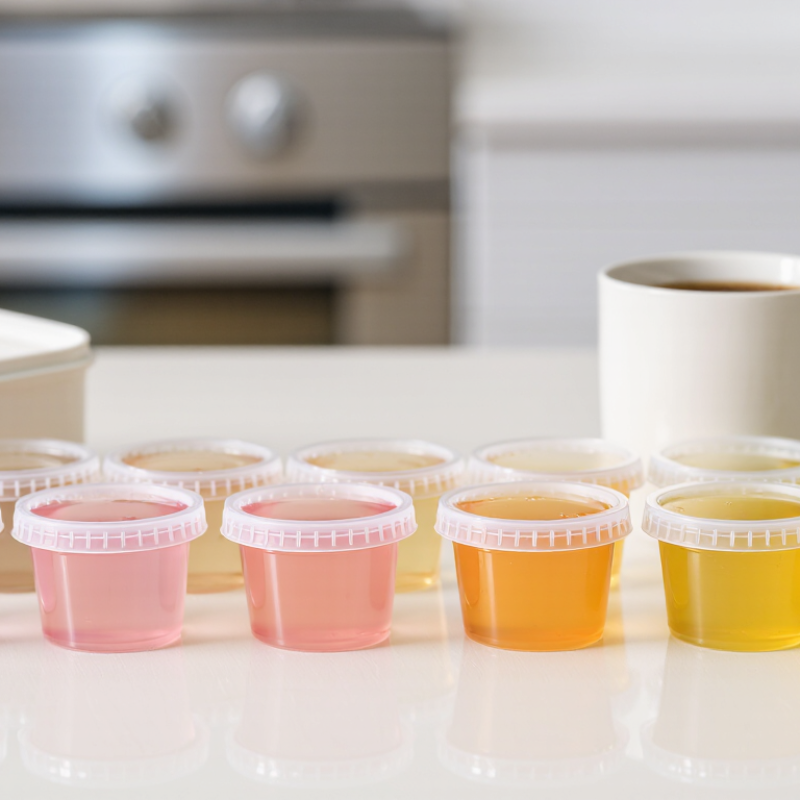
Collagen Biotin Gel Cups are becoming a convenient option for shoppers who dislike pills and powders. Their small, pre-portioned format fits easily beside a coffee mug or lunchbox. Grand View Research reported that the global collagen market was valued at approximately $9.76 billion in 2023. It also forecasts continued growth through 2030. Market growth, however, does not prove that every gel cup works.

The details matter. A reliable buying decision should examine collagen type, peptide amount, biotin dosage, added sugar, allergens, storage instructions, and independent quality testing. The U.S. National Institutes of Health Office of Dietary Supplements states that biotin deficiency is rare in healthy people. It also notes that evidence remains limited for biotin supplements improving hair, skin, or nails without deficiency. Claims need context. A product may support normal nutrition, but it should not be presented as a treatment or guaranteed beauty solution.

These seven tips focus on practical checks rather than glossy promises. Start with the Supplement Facts panel, not the front label. Compare the actual collagen quantity per serving. Check whether vitamin C or other ingredients are included, and consider possible interactions with medications or laboratory tests. The FDA has warned that high-dose biotin can interfere with certain lab results, which makes transparent labeling important. One uncomfortable point remains: “more” is not automatically better. Texture, flavor, and convenience may encourage consistent use, but they can also hide excessive sweeteners. Buying carefully takes a few extra minutes. That small pause can separate a credible Collagen Biotin Gel Cups product from an expensive impulse purchase.
7 Tips for Buying Collagen Biotin Gel Cups

Understanding Collagen Biotin Gel Cups and Their Common Uses

Collagen biotin gel cups are single-serving supplements with a soft, jelly-like texture. They usually combine hydrolyzed collagen peptides, biotin, water, sweeteners, and flavoring. People commonly use them to support skin firmness, hair strength, and nail condition. Collagen provides amino acids, but the body does not send it directly to one target area. Evidence for visible skin benefits is promising but still limited. Biotin helps normal nutrient metabolism, yet extra biotin may not improve hair or nails without a deficiency.

When comparing gel cups, read the ingredient panel carefully. Check the collagen amount per serving and identify whether it comes from fish, bovine, or other sources. This matters for allergies and dietary preferences. Look for clear serving instructions, sealed packaging, and a realistic expiration date. Excessive sugar can be easy to miss in a small cup. Some products also contain high biotin levels, which may interfere with certain laboratory tests. Tell a healthcare professional about supplementation before blood work.

Convenience has a trade-off. Gel cups are portable, but heat can change their texture and reduce storage quality. Keep them according to the label, especially after opening. Do not treat them as replacements for protein-rich food, sleep, or medical care. A practical mistake is expecting fast hair growth after a few days. Results, if they occur, may take consistent use and vary between people. The label can still mislead. Choose evidence over attractive claims, and stop using the product if unusual symptoms appear.

Checking Ingredients, Nutrient Amounts, and Product Quality

When buying collagen biotin gel cups, check the full ingredient list before trusting the front label. Collagen source matters, especially for people avoiding fish, bovine, or porcine ingredients. Look for the collagen type and its stated amount per serving. A vague “collagen blend” deserves caution. I also check sweeteners, colours, preservatives, and common allergens. Shorter lists are not always better, but unexplained additives can make comparison difficult.

Review nutrient amounts carefully. Biotin may be present in tiny or very large quantities, so compare the serving size with your daily intake. Check whether vitamin C, zinc, or other nutrients are included, but do not assume more means better. Gel cups should show storage guidance, expiry dates, lot information, and sealed packaging. Texture matters too. A leaking cup or unusual smell is a clear reason to avoid it. I have learned that attractive packaging proves very little. Product quality needs stronger evidence.

Look for transparent testing information, such as contaminant screening or independent quality checks. Testing claims should be specific, not just decorative language. Consider the manufacturer’s contact details and whether questions receive useful answers. Avoid products promising dramatic skin, hair, or joint changes. Those claims often stretch beyond reliable evidence. Check dietary restrictions and possible interactions with a qualified healthcare professional when needed. I sometimes focus too much on nutrient numbers and overlook taste, storage, and consistency. A product you dislike may remain untouched in the refrigerator. Choose carefully, and keep expectations realistic.

7 Tips for Buying Collagen Biotin Gel Cups

Use the chart as a label-checking reference. It compares established U.S. Daily Values for nutrients commonly found in collagen and biotin gel cups. Collagen does not have an established Daily Value.

Simple Buying Checklist

  1. Check the serving size and the number of gel cups per container.
  2. Compare the collagen amount per serving rather than judging by the front label.
  3. Confirm the biotin amount and compare it with the 30 mcg Daily Value.
  4. Review vitamin C, zinc, and vitamin E amounts without exceeding your personal needs.
  5. Check the ingredient list for added sugars, allergens, sweeteners, and unnecessary fillers.
  6. Look for clear manufacturing, storage, expiration, and lot information.
  7. Choose products with transparent testing and quality information from the manufacturer.

Reference: Daily Values are based on U.S. FDA nutrition-labeling values for adults and children aged 4 years and older. Collagen has no established Daily Value.

Evaluating Safety, Allergens, and Potential Interactions

Tip 1: Check every ingredient before buying collagen biotin gel cups. Do not rely on the front label alone. Collagen may come from fish, shellfish, bovine, or porcine sources. These details matter if you have allergies, follow dietary restrictions, or avoid certain animal products. Look for clear allergen statements and manufacturing information. I once assumed “collagen” meant one standard ingredient. It does not.

Tip 2: Review the biotin amount carefully. More is not automatically better. High biotin intake can interfere with some laboratory tests, including thyroid and heart-related tests. Tell your doctor or testing clinic about the supplement. This small step can prevent confusing results. Also check for added herbs, sweeteners, or vitamins. A familiar ingredient can still cause problems at an unfamiliar dose.

Tip 3: Consider possible interactions with your medicines and health conditions. Ask a qualified healthcare professional before using these gel cups if you are pregnant, breastfeeding, preparing for surgery, or managing kidney or liver disease. Keep the package nearby during the conversation. Third-party quality testing is useful, but it does not prove the product suits you personally. I would also start only after checking the suggested serving, because convenience can make people overlook dosage.

Comparing Serving Formats, Storage Needs, and Overall Value

7 Tips for Buying Collagen Biotin Gel Cups

Gel cups can be convenient, especially when you dislike powders or tablets. I compare the serving size, ingredient list, and storage instructions before considering the price. One cup may contain one serving, while another requires two. Read the fine print. Check collagen type, biotin amount, sweeteners, allergens, and expiration dates. A clear label is more valuable than attractive packaging. Look for batch testing or independent quality verification when available. These details cannot guarantee results, but they improve purchasing confidence.

Tip: Compare servings, not container prices. Divide the total cost by the number of labeled servings. A cheaper tub may offer fewer usable portions. Also inspect the cup material and seal. Leaking gel is wasteful and unpleasant. Some formats need refrigeration after opening, while shelf-stable cups may tolerate a cupboard. Follow the manufacturer’s temperature guidance carefully. Keep it cool. Do not leave opened portions in a hot car or near a sunny window.

Storage needs can change the real value. A product requiring constant refrigeration may be inconvenient during travel. However, a portable format can cost more per serving. Consider your routine honestly. Will you remember a daily cup, or will several expire unused? I once focused too much on the lowest price and overlooked the short shelf life. That was not a smart saving. Avoid assuming more collagen or biotin is automatically better. Review the full daily intake, especially if you use other supplements, and ask a qualified healthcare professional about personal concerns.

7 Tips for Buying Collagen Biotin Gel Cups - Comparing Serving Formats, Storage Needs, and Overall Value

Tip Comparison Dimension What to Check Practical Consideration Overall-Value Signal
1 Serving format Compare gel cups with powders, capsules, ready-to-drink liquids, and gummies. Check whether one cup, scoop, packet, or multiple units represents one serving. Gel cups are pre-portioned and convenient, while powders may require mixing and capsules may require several pills. Choose the format you can use consistently, not simply the format with the lowest package price.
2 Collagen amount Look for the quantity of collagen peptides or collagen protein per serving, and identify the collagen source and type when listed. “Collagen blend” does not by itself show how much collagen the product supplies. Compare cost per stated gram of collagen rather than cost per container.
3 Biotin quantity Check the biotin amount per serving and compare it with the Daily Value shown on the Supplement Facts panel. The U.S. adult Daily Value for biotin is 30 micrograms. More biotin is not automatically better. High-dose biotin can interfere with some laboratory tests. A transparent dose and a clear warning about test interference indicate better labeling value.
4 Sugar and sweeteners Review total sugars, added sugars, sugar alcohols, and non-nutritive sweeteners on the Nutrition Facts label. Gel products may use sweeteners to improve taste. Sugar alcohols can cause digestive discomfort for some people. A lower-sugar option may offer better everyday value if it still meets your taste and dietary needs.
5 Storage requirements Follow the product label for temperature, light, humidity, refrigeration, and whether the container must be tightly closed after opening. Some gel products may require refrigeration after opening, while shelf-stable products are easier to carry and store. Include refrigerator space, travel practicality, and possible spoilage in the real cost of ownership.
6 Ingredient transparency Check the full ingredient list for allergens, animal sources, flavorings, colors, preservatives, and other added nutrients. Collagen is generally animal-derived, so the source matters for dietary, allergy, and religious reasons. Clear ingredient and allergen information reduces the risk of paying for a product you cannot use.
7 Cost per usable serving Calculate: total price ÷ number of labeled servings. Then compare the collagen amount, biotin amount, storage needs, shipping cost, and serving convenience. A multipack may reduce the unit price, but only if all cups can be used before their best-before date and stored correctly. The best value combines a suitable nutrient profile, acceptable ingredients, reliable storage, and a realistic usage schedule.

Note: Dietary supplements should be used according to the product label. Consult a healthcare professional before use if you are pregnant, nursing, taking medication, or scheduled for laboratory testing.

Choosing a Product Based on Personal Nutrition Goals and Preferences

7 Tips for Buying Collagen Biotin Gel Cups

Choosing a Product Based on Personal Nutrition Goals and Preferences

Start with your nutrition goal, not the package design. You may want protein support, a convenient routine, or help filling a dietary gap. Check the collagen source carefully, because most collagen comes from animal tissues. This matters for allergies, religious practices, and personal diets. Read the serving size, collagen amount, biotin level, added sugar, and calorie count. A small cup can contain more sweetener than expected.

Texture and flavor also affect consistency. If you dislike sticky foods, a firm gel may become an expensive drawer item. Look for clear allergen information and avoid ingredients you already know cause discomfort. Third-party quality testing can provide extra reassurance, although it does not prove that the product will meet your personal needs. I once focused too much on the advertised ingredients and ignored the sugar content. That was not a careful comparison.

Biotin deserves particular attention. High supplemental amounts may affect some laboratory test results, so tell your healthcare professional about regular use. People with medical conditions, pregnancy, or prescribed treatment should ask a qualified clinician before adding a supplement. Evidence for beauty-related benefits can vary, and results are not guaranteed. Keep expectations realistic. Compare the label with your daily diet, budget, and routine. A product that fits your habits is more useful than one with the longest ingredient list.

FAQS

What are collagen biotin gel cups?

They are single-serving supplements with a soft, jelly-like texture. They commonly contain hydrolyzed collagen, biotin, water, sweeteners, and flavoring.

What are collagen biotin gel cups commonly used for?

People use them to support skin firmness, hair strength, and nail condition. Visible results are possible, but evidence remains limited.

Does collagen travel directly to the skin, hair, or nails?

No. The body breaks collagen into amino acids before using them. It does not send collagen directly to one chosen area.

Can extra biotin improve hair and nails?

Extra biotin may not help without a deficiency. High amounts can also interfere with certain laboratory test results.

What ingredients should I check before buying?

Check the collagen source, amount per serving, biotin level, sweeteners, calories, colors, preservatives, and allergens. A vague “collagen blend” deserves caution.

Why does collagen source matter?

Sources may include fish, bovine, or other animal tissues. This matters for allergies, dietary preferences, and religious practices.

How can I assess product quality?

Look for sealed packaging, storage instructions, expiry dates, lot information, and clear contact details. Leaking cups or unusual smells are warning signs.

Are gel cups suitable for everyone?

People with medical conditions, pregnancy, allergies, or prescribed treatment should ask a qualified clinician first. Tell a healthcare professional before blood work.

How should I store collagen biotin gel cups?

Follow the label, especially after opening. Heat may change the texture and reduce storage quality.

How quickly should I expect results?

Do not expect fast hair growth after a few days. Results may require consistent use and can vary between people. Expectations can still be wrong.

Conclusion

When shopping for Collagen Biotin Gel Cups, start by understanding what they are and why people use them. These convenient, pre-portioned supplements may appeal to individuals seeking collagen and biotin as part of their everyday nutrition routine. Review the ingredient list carefully, noting the amounts of collagen, biotin, added vitamins, sweeteners, flavorings, and other components. Product quality also matters, so consider clear labeling, reliable manufacturing information, expiration dates, and appropriate packaging.

Safety should be part of the decision. Check for common allergens, dietary restrictions, and ingredients that may not suit your needs, and consult a qualified healthcare professional if you take medication, are pregnant, or have an ongoing health condition. Compare gel cups with powders, capsules, or liquid formats by considering serving size, portability, storage requirements, taste, and cost per serving. Ultimately, choose a product that fits your personal nutrition goals, preferred ingredients, lifestyle, and budget rather than relying on marketing claims alone.

Liam

Liam

Liam is a dedicated marketing professional with extensive expertise in crafting compelling narratives that resonate with diverse audiences. His deep understanding of our company’s core services allows him to highlight the key advantages that set us apart in the competitive marketplace. Liam......