Candy Insights & Industry News - ATIQ Food Co., Ltd.
INDUSTRY INSIGHTS & BLOG

Candy Innovation & Global Trends

Explore expert guides, manufacturing breakthroughs, and market updates from ATIQ Food Co., Ltd.

0%

Interactive Toy Candy is reshaping the space where confectionery meets play, gifting, and collectible experiences. The opportunity is visible in market data. The National Confectioners Association’s 2024 State of Treating report valued U.S. confectionery retail sales at approximately $54.2 billion in 2023. Meanwhile, Circana’s global toy research shows that toy demand remains highly sensitive to innovation, pricing, and seasonal purchasing. These findings matter for buyers seeking suppliers that can combine edible products with reliable interactive features.

The best supplier is not simply the one offering the lowest unit price. It should demonstrate documented food-safety controls, toy-testing procedures, traceable ingredients, and consistent packaging quality. Buyers should examine sample construction closely, including battery compartments, sound modules, moving parts, seals, and printed age guidance. A bright package may attract attention, but a weak hinge can damage customer trust. The stakes are real.

This guide evaluates leading Interactive Toy Candy suppliers through product quality, customization, minimum order quantities, factory experience, export capability, and compliance support. It also considers practical sourcing details, such as carton strength, lead times, replacement parts, and multilingual labeling. Relevant standards may include HACCP-based food controls, ISO 22000 systems, and applicable toy-safety requirements in destination markets. No single report tells the whole story. Supplier claims still require verification through audits, laboratory documents, production samples, and reference checks. That step is easy to underestimate. It may also reveal that an attractive quotation hides higher inspection, packaging, or logistics costs.
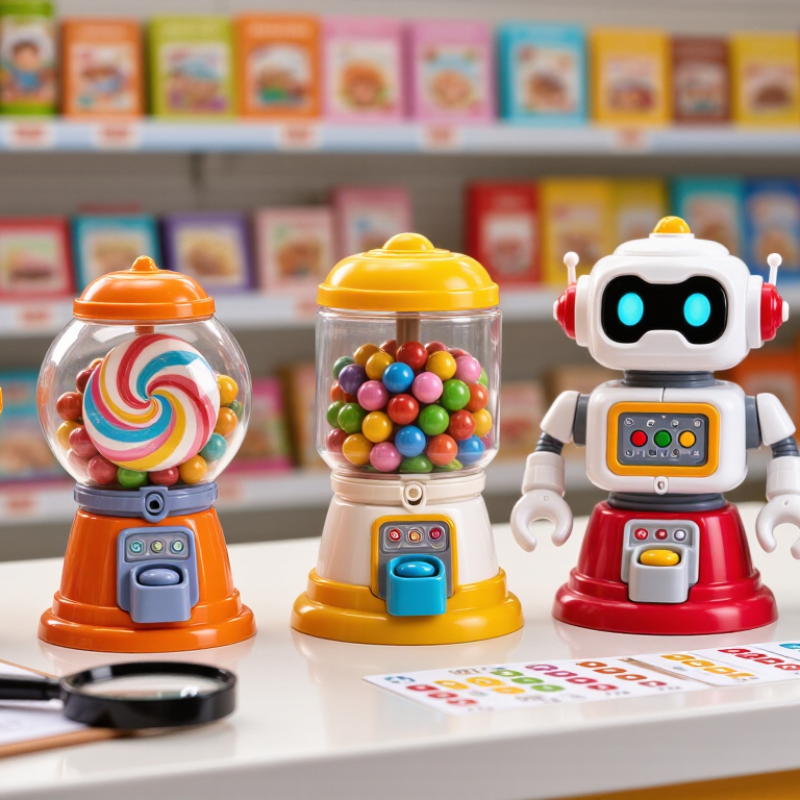
Top Interactive Toy Candy Suppliers for Global Sourcing?

What Are Interactive Toy Candy Products?

Interactive toy candy products combine a small edible treat with a playful object or action. The candy may sit inside a puzzle box, spinning container, pop-up case, or character-shaped dispenser. Children interact by pressing, twisting, sliding, or assembling approved parts before eating. The experience extends beyond flavor. It adds curiosity, movement, and a small moment of discovery. In sourcing work, buyers should define the product clearly. Is the toy reusable, collectible, or designed for one-time play? That detail affects materials, packaging, testing, and factory capability.

A reliable supplier should provide ingredient specifications, material declarations, age guidance, and batch traceability. Independent laboratory testing can check food safety, migration limits, choking risks, and mechanical durability. Requirements vary by destination, so global buyers need current local compliance reviews. A factory sample is not enough. Request production samples from a normal run, not only a polished prototype. Check whether hinges loosen, colors transfer, or candy seals weaken after transport. These small failures can damage consumer trust quickly.

From practical sourcing experience, the hardest part is balancing interaction with hygiene and simplicity. Extra buttons and tiny parts may increase excitement, but they also raise inspection demands. A simpler mechanism often survives shipping better. Still, it may feel less memorable on a crowded shelf. Suppliers should explain assembly steps, quality checkpoints, carton protection, and realistic lead times. Ask for evidence, not confident promises. Even experienced teams can overlook a loose component or unclear instruction. That is where a second review becomes valuable.

How to Evaluate Global Interactive Toy Candy Suppliers

Global sourcing of interactive toy candy requires more than comparing quotations. Supplier evaluation should begin with product evidence. Ask for factory audit records, ingredient specifications, allergen controls, and batch traceability. Interactive parts also require testing for batteries, magnets, small components, and mechanical durability. Relevant standards may include EN 71, ASTM F963, food-contact requirements, and market-specific labeling rules.

Market data adds useful context. Circana reported that global toy sales declined 7% in 2023, while unit sales fell 8%. This pressure makes low prices attractive, but unstable quality can create larger losses. Request samples from three production batches, not one polished sample. Check candy texture, seal strength, printing accuracy, sound volume, and toy function after transport simulation. Small details matter.

The supplier’s documents should match physical production. Review certificates through the issuing laboratory when possible. Confirm testing dates, factory addresses, and product references. Ask how rejected candy and damaged electronic parts are controlled. My own sourcing checklists once focused too heavily on factory capacity. That was a mistake. Communication speed, corrective-action records, and transparent explanations often predict reliability better. A 2024 report from the International Trade Centre also emphasizes stronger traceability for cross-border consumer goods. Do not accept vague answers. Require written specifications, inspection points, and a recall-contact process before placing a purchase order.

Which Suppliers Offer the Best Product Categories and Features?

Global buyers are seeking more than novelty candy. They want suppliers with clear product categories and dependable interactive features. Circana reported that global toy sales fell 7% in 2023, increasing pressure on suppliers to create stronger play value. The most useful portfolios combine candy-filled capsules, collectible figures, puzzle treats, and small skill-based games. These categories support different retail channels and age groups.

Feature quality matters more than decoration. Good suppliers offer tactile buttons, simple sound effects, rotating parts, and battery-free mechanisms. Some products add scan-based storytelling, but digital features should not replace physical play. Grand View Research valued the global toys market at more than 100 billion dollars in 2023, showing the scale of competition. Still, large market growth does not guarantee repeat purchases.

I would examine sample consistency, seal strength, and flavor stability before negotiating volume. Very low prices can hide weak hinges or confusing instructions. That is a common sourcing mistake. Suppliers should provide ingredient records, food-contact packaging documents, age guidance, and batch traceability. Intertek and SGS testing reports can support buyer confidence, although reports must match the exact production model. Euromonitor’s 2024 confectionery analysis also highlights consumer interest in portion control and product transparency. A supplier may offer many features, yet fewer, better-tested functions often create a safer customer experience. This point deserves more reflection.

Top Interactive Toy Candy Suppliers for Global Sourcing

Product-category coverage and feature priorities for evaluating interactive toy candy suppliers

The chart compares widely used product categories in the interactive toy candy sector by sourcing relevance. Scores reflect practical buyer priorities such as product versatility, child engagement, customization potential, packaging adaptability, and suitability for international retail channels. Common features include lights and sound, motion, candy dispensing, collectible formats, and app-enabled interaction.

What Quality, Safety, and Compliance Standards Should Buyers Check?

Interactive candy toys combine food, play, and sometimes electronics. Buyers must assess all three risk areas before placing a global order. Ask suppliers for recent factory audits, product specifications, and full material declarations. Vague answers are warning signs.

Check the candy under food safety rules for the destination market. Review ingredient lists, allergen statements, shelf-life tests, and batch traceability records. Packaging should protect the candy from moisture, dust, and chemical transfer. Test food-contact materials for migration and heavy metals. A certificate alone can create false confidence.

The toy component needs age grading, choking-hazard testing, mechanical safety checks, and material screening. Small detachable parts require special attention. Battery-powered designs need secure compartments and electrical safety testing. Request independent laboratory reports for the exact production sample, not only a similar model.

Factory controls should cover sanitation, worker training, incoming materials, and final inspection. Keep signed samples and approval records. They can resolve disputes later.

Global compliance is not one universal checklist. Requirements may differ by country, language, labeling format, and recycling rules. Confirm the importer’s responsibilities before production begins. In practical sourcing reviews, missing traceability is often more serious than a minor packaging defect. Some suppliers look reliable until buyers request batch-level evidence. That gap deserves honest scrutiny. Even experienced buyers can overlook how quickly candy quality changes in heat. Shipping simulations and storage trials are worth the extra effort.

How to Compare Pricing, Customization, and International Logistics?

When comparing interactive toy candy suppliers, start with landed cost, not the factory quote. Include candy, electronics, packaging, molds, testing, freight, duties, and inspection. Circana’s 2023 Global Toy Market report recorded a 7% value decline across major markets. Buyers therefore need flexible pricing, not attractive samples alone. Request tiered prices at 1,000, 5,000, and 10,000 units. Check whether batteries, sound modules, and replacement parts are included.

Customization should be measured in production reality. Ask about mold ownership, minimum order quantity, color tolerance, firmware changes, and packaging approval. Safety testing must match the destination market and product category. A supplier with ISO 9001 procedures may still need independent laboratory reports. My sourcing experience suggests that the cheapest prototype often becomes expensive after revisions. I have missed hidden tooling fees before. A spreadsheet can still lie.

Tips: Compare suppliers using one specification sheet. Record every inclusion and exclusion. Request a pre-production sample with final candy weight, sound level, carton dimensions, and barcode placement. For logistics, ask for three delivery options: sea, rail, and air. UNCTAD’s Review of Maritime Transport 2024 states that maritime shipping carries over 80% of global merchandise trade by volume. Yet port delays can disrupt seasonal launches. Confirm Incoterms, carton stacking limits, insurance, export documents, and a realistic buffer. Do not treat “fast shipping” as a delivery promise.

FAQS

What are interactive toy candy products?

They combine a small edible treat with a playful object or action. Children may press, twist, slide, or assemble approved parts. The toy can be reusable, collectible, or intended for one-time play. That difference affects design, testing, and packaging.

What information should buyers request from suppliers?

Request ingredient specifications, material declarations, age guidance, and batch traceability records. Ask for assembly instructions and quality checkpoints. Supplier answers should include evidence. Confident promises are not enough.

How should the candy component be checked?

Review ingredients, allergens, shelf life, and production-batch records. Test packaging against moisture, dust, and chemical transfer. Check food-contact materials for migration and heavy metals. Heat can reduce candy quality quickly.

What toy safety issues require special attention?

Inspect small detachable parts, hinges, buttons, and sliding components. Test choking risks and mechanical durability. Battery designs need secure compartments and electrical safety checks. Tiny parts deserve extra attention.

Are factory samples enough for approval?

No. Request samples from a normal production run. Test loose hinges, color transfer, seal strength, and transport damage. A polished prototype may hide practical problems.

How can buyers compare supplier prices fairly?

Compare landed cost, not only the factory quote. Include molds, packaging, testing, freight, duties, inspection, batteries, and replacement parts. Request prices at several order quantities. A spreadsheet can still mislead.

What should buyers confirm before customizing the product?

Confirm mold ownership, minimum order quantity, color tolerance, packaging approval, and software changes. Match safety testing to the destination market. Request a pre-production sample with final candy weight. Revisions can make a cheap prototype expensive.

How can buyers reduce international delivery problems?

Request sea, rail, and air delivery options. Confirm shipping terms, insurance, export documents, carton limits, and delivery buffers. Simulate transport and storage conditions. “Fast shipping” is not a firm promise. Seasonal delays happen.

Conclusion

Interactive Toy Candy combines the appeal of confectionery with playful, interactive elements such as light effects, sounds, motion, puzzles, or collectible packaging. For global sourcing, buyers should evaluate suppliers by product variety, innovation, production capacity, communication, experience with international orders, and ability to provide reliable samples. The best suppliers typically offer flexible categories, attractive designs, safe materials, and customization options suitable for different markets and age groups.

Before placing an order, buyers should verify food-contact safety, toy safety, material testing, labeling, traceability, factory quality controls, and compliance with the regulations of each destination market. Pricing comparisons should include product costs, molds, packaging, customization, minimum order quantities, inspection, shipping, duties, and delivery times. A dependable supplier should clearly explain payment terms, production schedules, logistics options, and after-sales support, helping buyers balance creativity, safety, cost efficiency, and reliable international fulfillment.

Liam

Liam

Liam is a dedicated marketing professional with extensive expertise in crafting compelling narratives that resonate with diverse audiences. His deep understanding of our company’s core services allows him to highlight the key advantages that set us apart in the competitive marketplace. Liam......