Global buyers are seeking creative products that feel simple, memorable, and easy to share. A DIY Marshmallow Doodle Kit can meet that demand through playful design and practical packaging. It combines guided creativity with a small, giftable format. Children can create colorful characters, while adults may enjoy relaxed weekend crafting. The experience feels more personal than buying a finished decoration.
Creative-learning expert Bob Ross once said, “We don't make mistakes, just happy little accidents.” That idea fits this product well. A crooked face or uneven color can become part of the character’s charm. Still, the kit must offer clear instructions, consistent materials, and safe handling guidance. Buyers need confidence before placing international orders.
For global markets, packaging details matter. A resealable pouch can protect small components during delivery. Simple visual instructions can support customers who speak different languages. Product pages should explain dimensions, included tools, recommended ages, storage conditions, and whether materials are edible or decorative. All claims require careful verification. Allergen information and destination-specific labeling should never be treated as minor details.
The strongest DIY Marshmallow Doodle Kit is not merely cute. It is reliable, adaptable, and easy to understand. Yet, some kits may still need improvement. Instructions can feel too brief, and color choices may seem limited. These weaknesses deserve honest review. Global buyers often value transparency more than exaggerated promises. With thoughtful design and responsible communication, the kit can become a creative product with broad international appeal.
What Are DIY Marshmallow Doodle Kits?
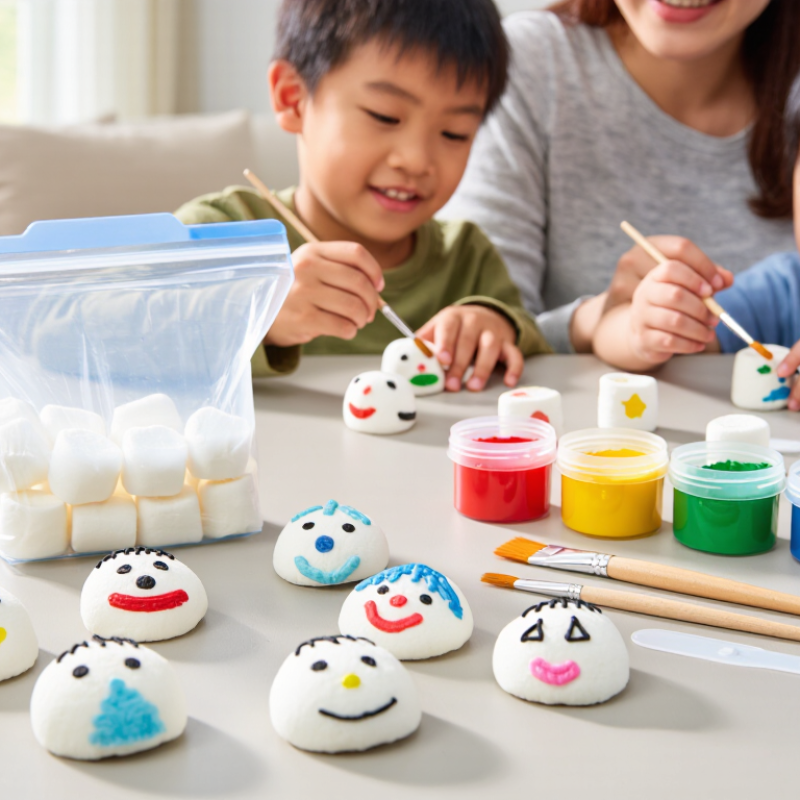
DIY marshmallow doodle kits are hands-on sets for decorating soft marshmallows with simple edible designs. A typical kit may include marshmallows, food-safe decorating pens, and printed idea cards. Some versions use small icing tubes instead. The exact contents can vary, so buyers should check the ingredient list and storage instructions before ordering.
The activity is straightforward: let the marshmallow sit on a clean, dry surface, then draw faces, patterns, or tiny scenes. A fine edible pen can make eyes and whiskers; thicker icing works better for dots or bold lines. Keep the designs small. Marshmallows are soft, and pressing too hard can leave dents rather than neat strokes.
That is part of the charm. The first sketch may look uneven, and that is useful feedback: lighter pressure usually gives better control. For group activities, individual portions and clean tools help keep handling simple. Check for relevant allergens, especially when sharing with children or guests. These kits are edible craft activities, not permanent art supplies, so finished marshmallows are best enjoyed according to their packaging guidance.
Why Choose DIY Marshmallow Doodle Kits for Global Buyers?
What are DIY Marshmallow Doodle Kits? They are activity sets that pair marshmallows with decorating supplies so users can create simple edible designs.
Example kit contents: This illustrative configuration shows how a kit can combine edible bases, decorating tools, and instructions. Counts are example quantities, not market-wide data.
What Materials and Components Do These Kits Include?
A DIY marshmallow doodle kit usually pairs soft, bite-sized marshmallows with food-grade edible markers. The markers let users draw faces, stripes, or tiny patterns directly on the surface. Some kits include paper sticks or reusable holders, which make decorating easier for small hands. Simple instruction cards may offer drawing prompts, but open-ended designs are often more fun.
Components vary between suppliers, so buyers should check the item list rather than rely on product photos. Look for clearly labeled ingredients, allergen information, storage guidance, and the markers’ intended food use. Small details matter. A cap that seals firmly can help prevent edible ink from drying out during storage. Individual wrappers may also protect marshmallows from moisture and handling, though they create extra packaging. That trade-off is worth considering.
For international orders, request sample kits and review the packaging before confirming quantities. Check that printed instructions are easy to understand and that component counts match the quotation. Ask how the marshmallows and markers are packed for transit; warm or humid conditions can affect texture and ink performance. Results may still differ slightly between batches. A few uneven marshmallows are not ideal, but they can reveal how carefully a supplier handles quality checks.
How Do Marshmallow Doodle Kits Support Creative Learning?
Marshmallow doodle kits turn a simple edible shape into a hands-on prompt for creative learning. Children can arrange marshmallows, add food-safe decorating materials, and build faces, animals, or tiny scenes. A soft marshmallow may tilt or compress, so learners adjust their designs instead of following one fixed answer. Small changes matter. They practice planning, spatial awareness, and fine-motor control while placing details with careful fingers. An adult can invite them to describe a pattern, compare shapes, or explain what they might change. This makes language and observation part of the making process, not an extra worksheet.
The learning is most useful when children make choices themselves. Offer a few colors and tools, then ask, “What could make this creature look surprised?” There is room for trial and error. Try again. A crooked smile or collapsing tower can prompt a new idea, though not every child enjoys edible crafts. Check ingredient and allergy information before use, and supervise young children around small pieces and decorating tools. For classrooms or family gatherings, short sessions work well: sketch an idea, build it, then share one design decision. The result may be uneven. That is part of the lesson.
Why Are These Kits Suitable for Global Buyers?
DIY marshmallow doodle kits can suit buyers in different regions because the activity is simple to understand and easy to share. A few marshmallows, food-safe decorating tools, and illustrated instructions can turn a kitchen table into a small creative space. Clear pictures help when buyers speak different languages, while short written steps can be translated for local markets. Keep it practical. Buyers should check that instructions explain handling and storage clearly, especially when kits contain edible components.
Packaging also matters for international orders. Compact kits are easier to display and store, though marshmallows can soften or change texture in warm, humid conditions. Sellers should review packaging performance under the climates and delivery times they expect, rather than assume one package works everywhere. Ingredient and allergen details should be easy to find and update for each market. This takes care. The kit may not suit every household: some buyers need alternatives for dietary needs, and younger children may require adult help with small tools. That limitation is worth stating, not hiding. With readable guidance, thoughtful packing, and realistic product information, these kits can offer a hands-on activity that travels across cultures without relying on complex instructions.
What Should Buyers Consider When Choosing a Kit?
For global buyers, a marshmallow doodle kit should be easy to assess before it is easy to use. Check the marshmallow count, size, and freshness packaging, then compare them with the number of planned participants. Decorating pens or food colors should have clear ingredient and storage information. Tiny details matter. A missing cap can dry out a pen during transit.
Review the instruction language, age guidance, and setup time. A classroom kit needs portioned supplies and simple cleanup; a family kit may allow more creative options. Ask whether tools are reusable and whether refills are available. For international shipping, confirm carton dimensions, shelf-life details, and how heat or humidity may affect texture. Do not assume photos show every item. Request a component list and sample images.
Tips: Test one kit first. Check that colors show clearly on white marshmallows and that instructions explain drying time. Keep allergy information visible. If any detail seems vague, ask the supplier for written clarification. This takes time, but may prevent disappointing deliveries. Buyers can focus on decoration options and overlook storage; it is worth checking twice.
FAQS
It is a small edible craft set. It usually includes soft marshmallows, food-safe decorating pens, and idea cards.
Try faces, stripes, whiskers, or tiny scenes. Keep designs small; the surface dents easily.
Use light pressure and a clean, dry surface. A fine edible pen suits small details. Practice helps.
No. Some include icing tubes, paper sticks, or holders. Check the item list, ingredient details, and storage guidance.
Follow the package instructions and keep marker caps sealed. Warm, humid conditions may soften marshmallows or affect ink.
Review ingredients and allergen information, especially for children or guests. Use clean tools and individual portions when possible.
They can be, but packaging should suit expected travel times and climates. Request samples and check that instructions are easy to understand.
Yes, adult help may be useful with small tools. Some households may also need options for dietary needs.
Probably not. Shapes and results can vary between batches, and a first drawing may look lopsided. That is part of the learning.
Conclusion
A DIY Marshmallow Doodle Kit is a creative activity set that allows children, families, and hobbyists to build playful structures or decorative designs using soft marshmallow-like pieces and connecting materials. Most kits may include colorful components, sticks or safe connectors, design ideas, and simple instructions, giving users the freedom to create animals, buildings, patterns, and imaginative models. The activity combines hands-on play with drawing, planning, and construction.
These kits support creative learning by encouraging fine motor skills, spatial thinking, problem-solving, communication, and independent expression. They are also suitable for global buyers because they are lightweight, easy to package, adaptable to different age groups, and useful for homes, classrooms, parties, and creative workshops. When selecting a kit, buyers should consider material safety, age suitability, component quantity, durability, packaging quality, language-free instructions, customization options, and compliance with local product requirements. A well-designed kit should offer a balanced combination of safety, creativity, convenience, and educational value.